Safe, Careful Solar Installation in Cottonwood Heights
We install solar panels, battery storage and system add-ons for homeowners in Cottonwood Heights, Holladay and Sandy. Every system is planned around safe wiring, proper shutdown equipment and a work area your family can live beside. It starts with a free virtual appointment where we look at your energy use and answer your questions.
- Free virtual appointment
- $0 up front
- Written line-item quotes
- Site cleaned every day
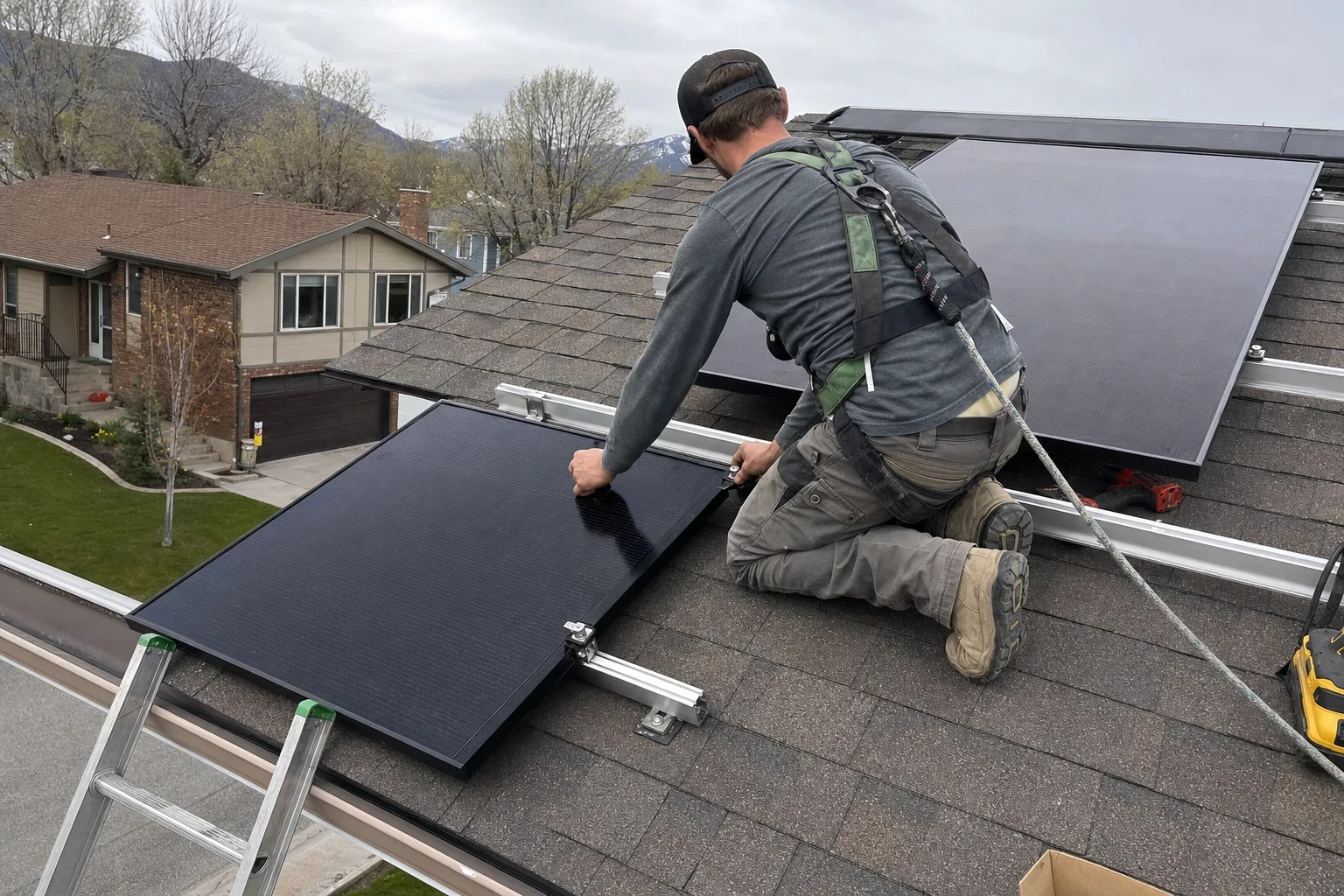
Solar and Storage for Your Home
Our core work is solar panel installation: sizing the system to your actual usage, choosing the equipment and wiring it to current electrical code. Battery storage lets your home hold onto the power it makes and keep chosen circuits running when the grid goes down. Solar system add-ons cover the pieces that round out a system, such as monitoring and expanded capacity. Each service page explains how that work is done and what affects the cost.
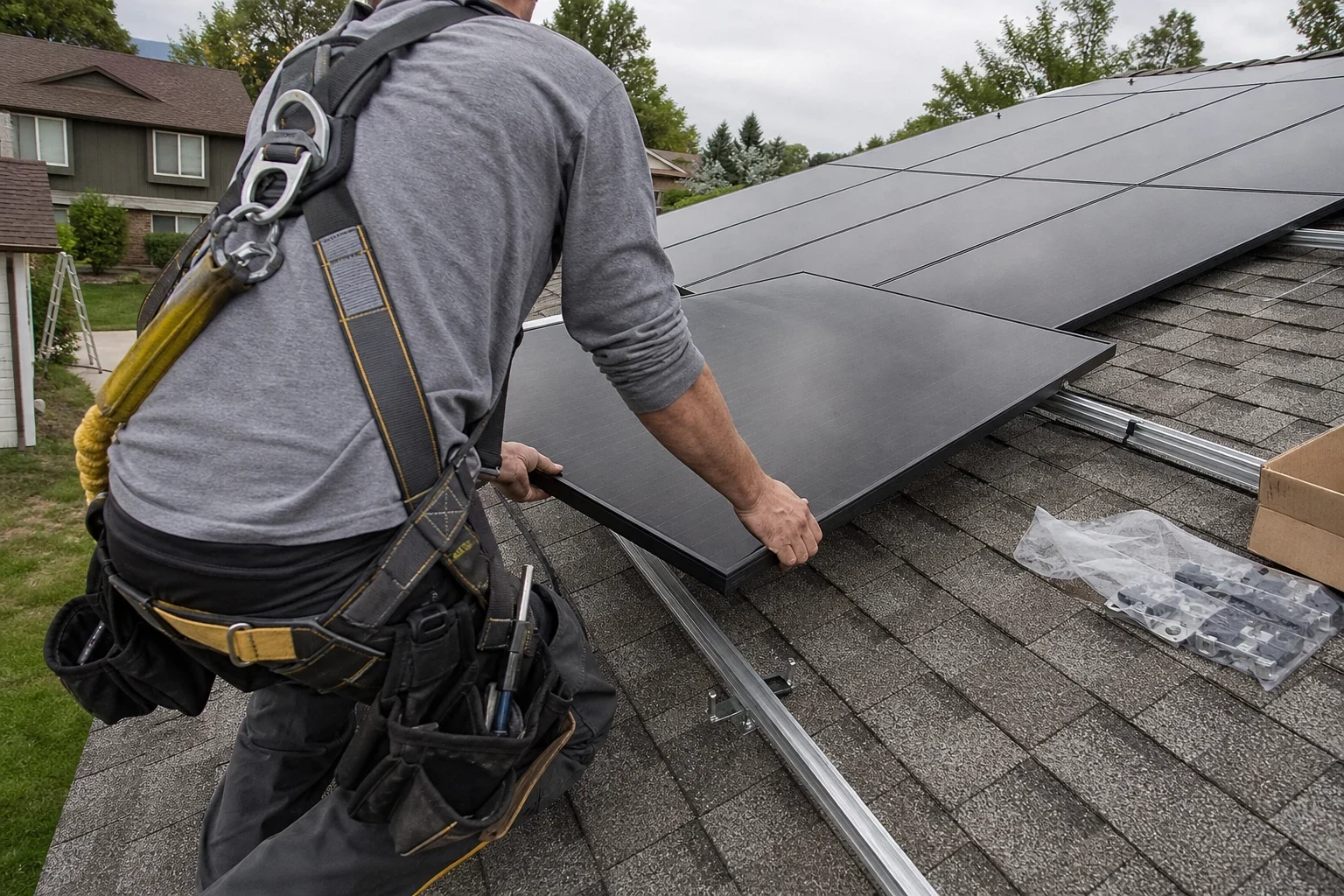
Solar Panel Installation
Roof-mounted solar panels installed on your home's roof, with sealed attachments, tidy conduit and a safe work area while the crew is on site.
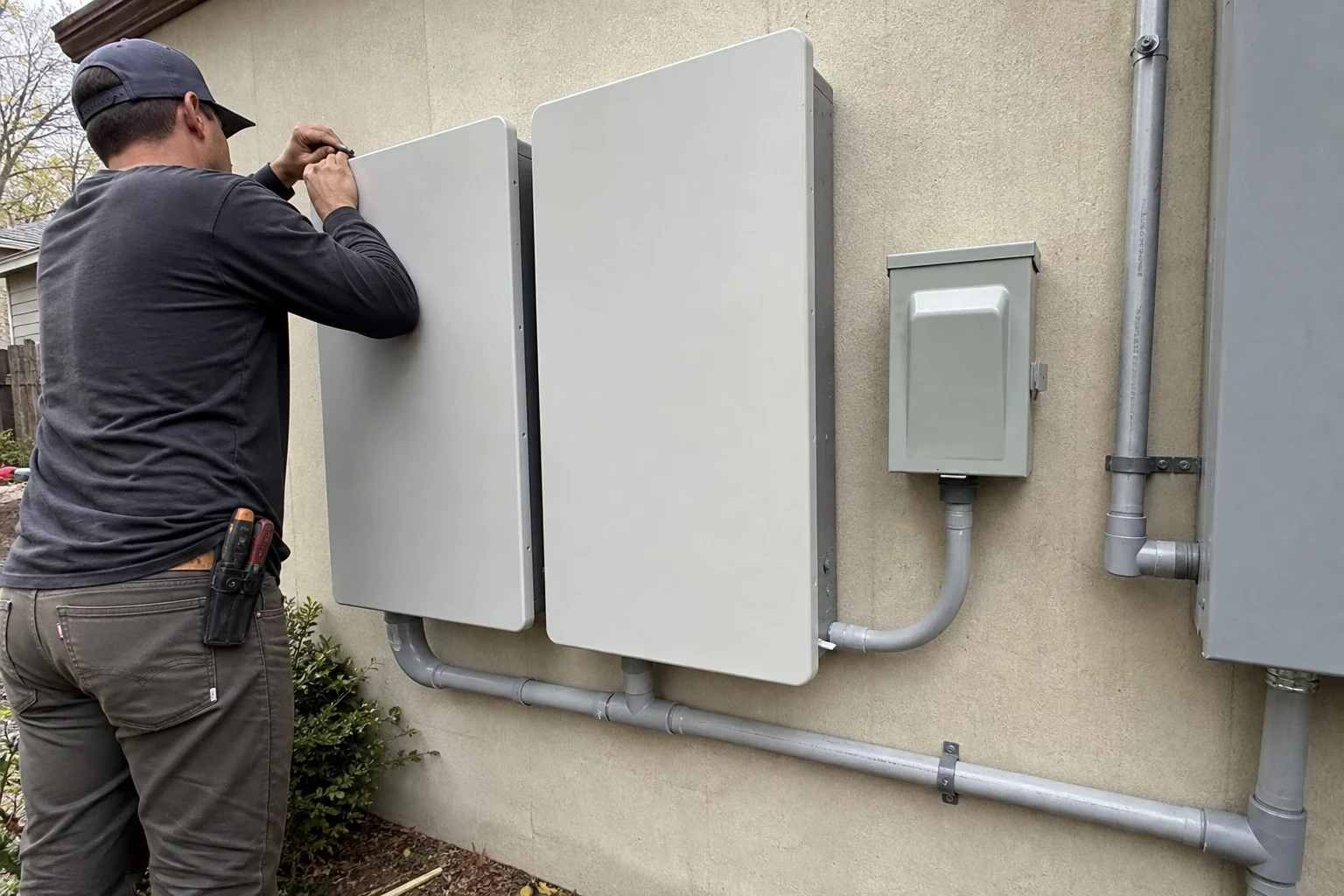
Battery Storage
A home battery that stores your solar power for evenings and outages, installed with careful placement, proper clearances and clearly labeled shutoffs.
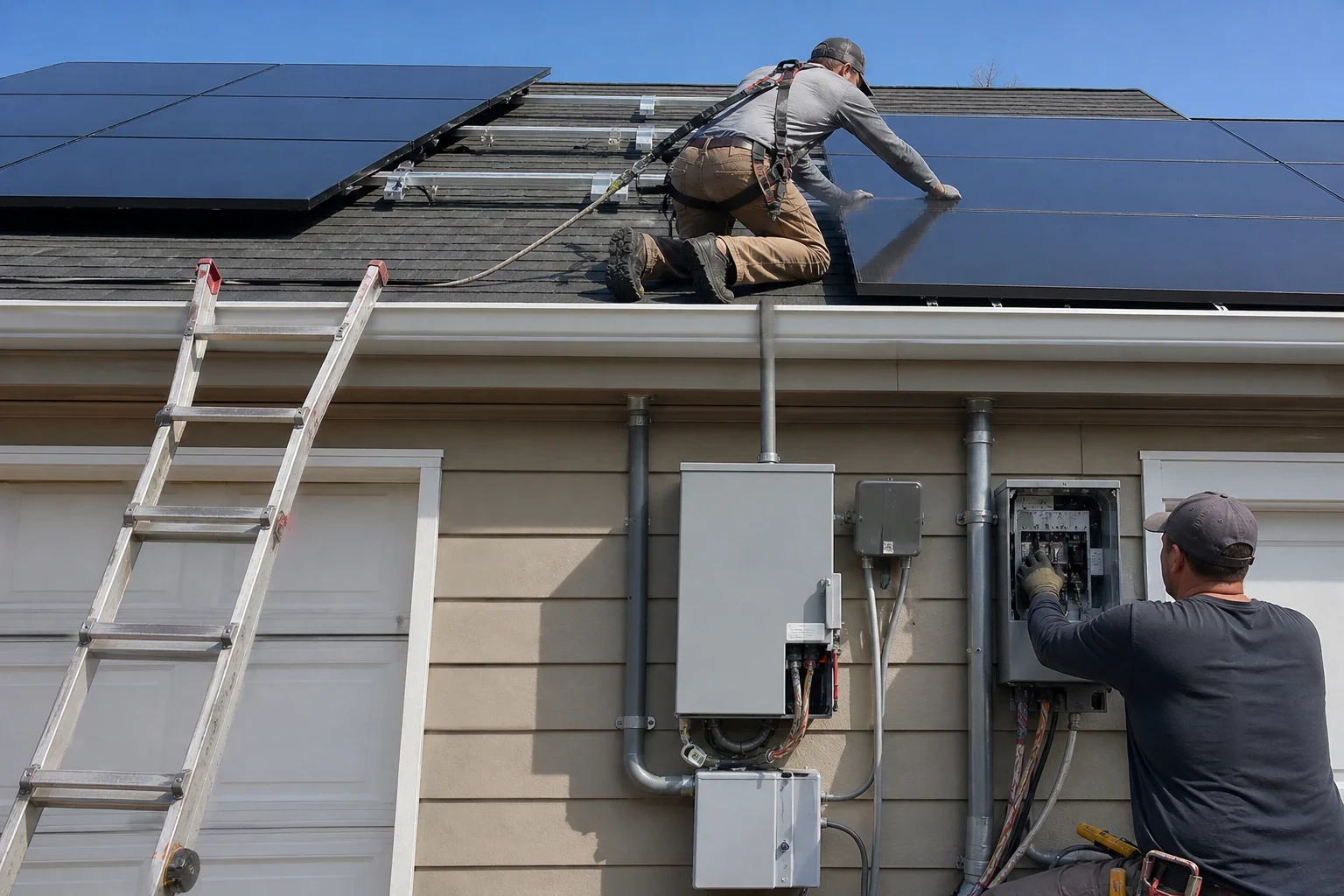
Solar System Add-Ons
EV chargers, production monitoring, electrical panel upgrades and array expansions, planned around your existing system and installed with safe work practices.
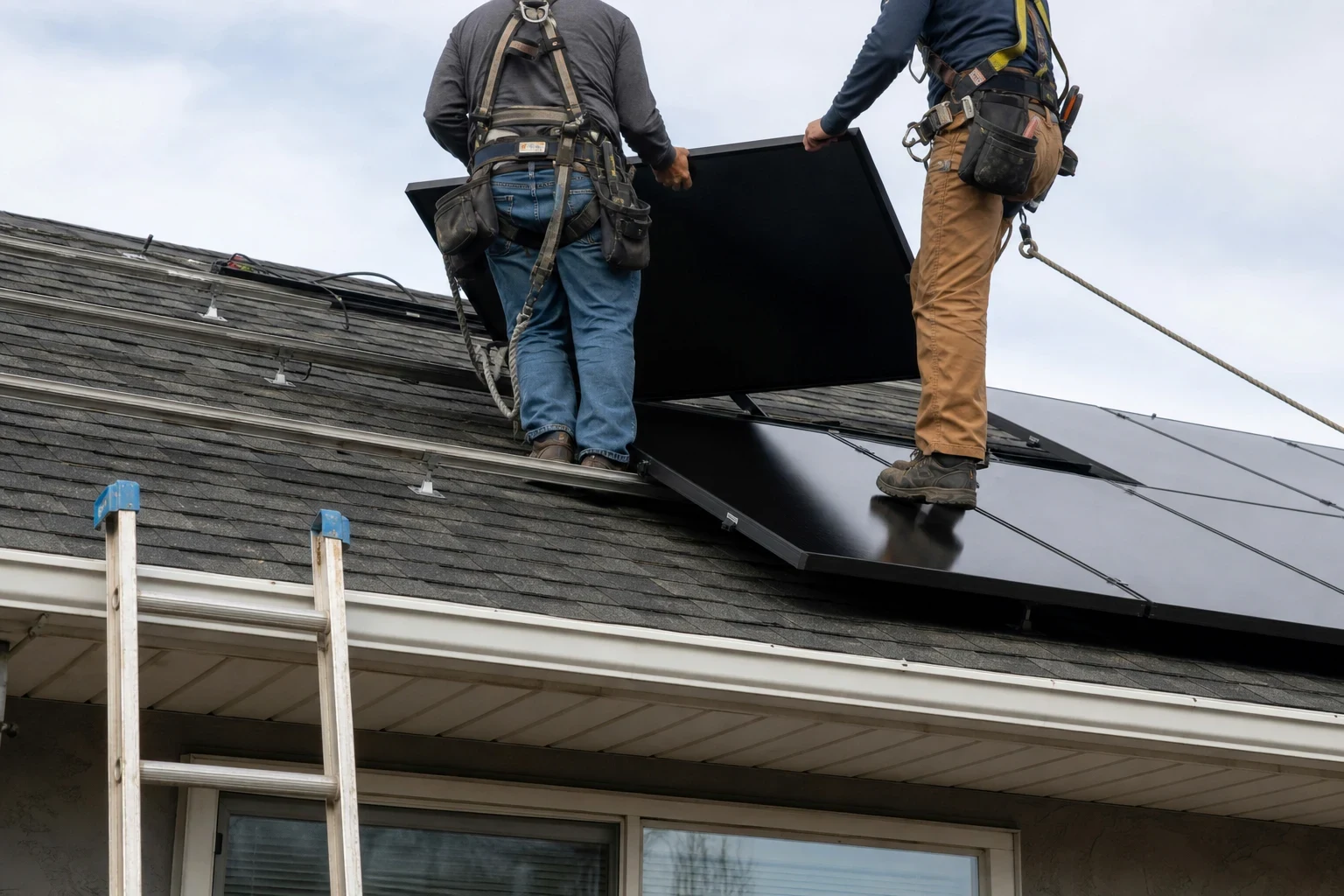
Solar Panel Repair
We find why your system is underperforming or faulting, make it safe, and fix the cause with photos and a written estimate before any work starts.
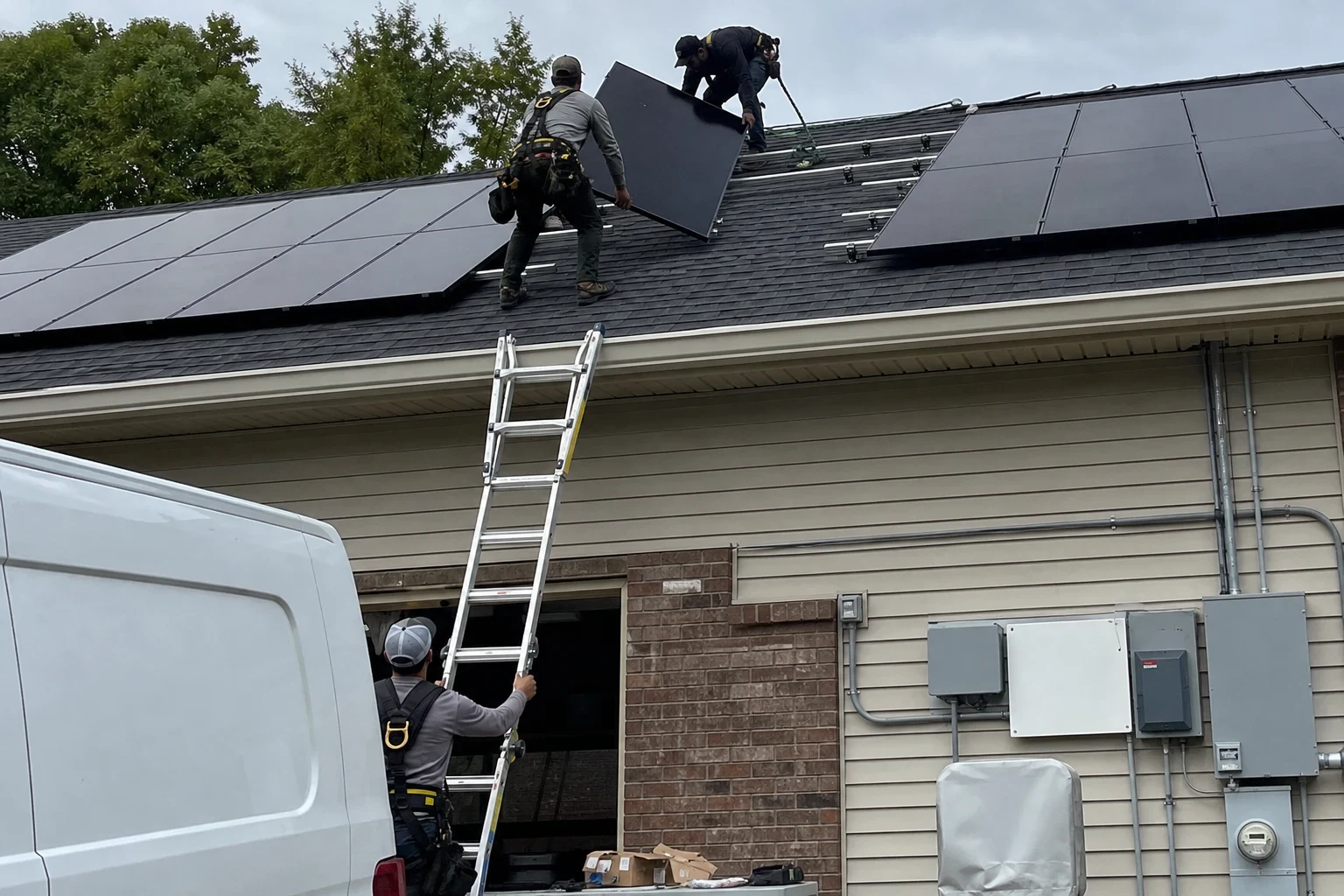
A Solar Company That Works Carefully
We are a solar installer serving Cottonwood Heights and the surrounding Salt Lake Valley. Our work is installing systems that produce well and stay safe for as long as they run. That means attention to the parts most people never look at: conduit runs, labeled disconnects, grounding and the clearances around a battery.
Utah's sunny summers and cold, clear winter days suit solar well, and panels actually work more efficiently in cool air. We design for snow load and freeze cycles so the mounting and wiring hold up season after season.
We also believe the best customers come from good work. If someone you refer goes solar with us, you earn $1,000 for every referral that goes solar.
From First Call to Switching On
Most of the planning happens before anyone climbs onto your roof. This is how a typical project moves.
- 1
Free virtual appointment
We go over your utility bills, your goals and your questions by video or phone. You come away with a clear sense of system size and whether solar fits your home.
- 2
Site visit and design
We measure the install area, inspect your electrical panel and note shading. Then we draw a design and prepare your line-item quote.
- 3
Permits, roof check and safety planning
We file the permit and the utility application, check the roof's condition and plan the attachment points, ladder placement and fall protection before the crew arrives.
- 4
Installation day
Our crew sets up a defined work zone, installs the mounting, panels and wiring, and keeps the area clean. Power to your home is off only for the short window needed to tie into the panel, and we let you know when.
- 5
Final checks and handover
Once the inspector signs off and the utility grants permission to operate, we start producing power with you standing beside the equipment. We point out each disconnect, set up the monitoring app and explain what normal operation looks like.
What Shapes the Cost of Your System
No two homes need the same system, so we price each one from your usage and your property. These are the factors that move the number most. We walk through each one during your free solar savings analysis.
Your quote comes in writing with each item listed separately, and nothing is added without your approval. Ask about our $0 up front option during your free quote.
- System size
- The number of panels follows your yearly electricity use. Homes with electric heat, an EV or a hot tub usually need more capacity.
- Where the array sits
- Sun exposure, shading from trees or neighboring buildings, roof pitch and condition, and the distance from the array to your electrical panel all matter. Steeper roofs and longer conduit runs add labor and material.
- Your electrical panel
- Older or fully loaded panels sometimes need an upgrade to accept solar safely. We check this early so it never shows up as a surprise.
- Battery storage
- Adding a battery raises the upfront cost and changes how your home uses its power. Capacity depends on which circuits you want backed up and for how long.
- Permits and utility interconnection
- City permits, inspections and the utility's interconnection steps carry fees and paperwork. We handle the filings and include them in your quote.
- Equipment choices
- Panel efficiency, inverter type and monitoring options each shift the price a little. We explain the tradeoffs in plain terms.
Where We Install
We serve homeowners in Cottonwood Heights and throughout the nearby valley, including Holladay, Millcreek, Murray, Midvale and Sandy. We also work in Draper, White City, West Jordan, Taylorsville and South Salt Lake.
- Cottonwood Heights
- Sandy
- Millcreek
- Murray
- Midvale
- Holladay
- White City
- West Jordan
- Taylorsville
- Draper
- South Salt Lake
If you live near one of these communities and are unsure whether we cover your street, ask during your free virtual appointment.
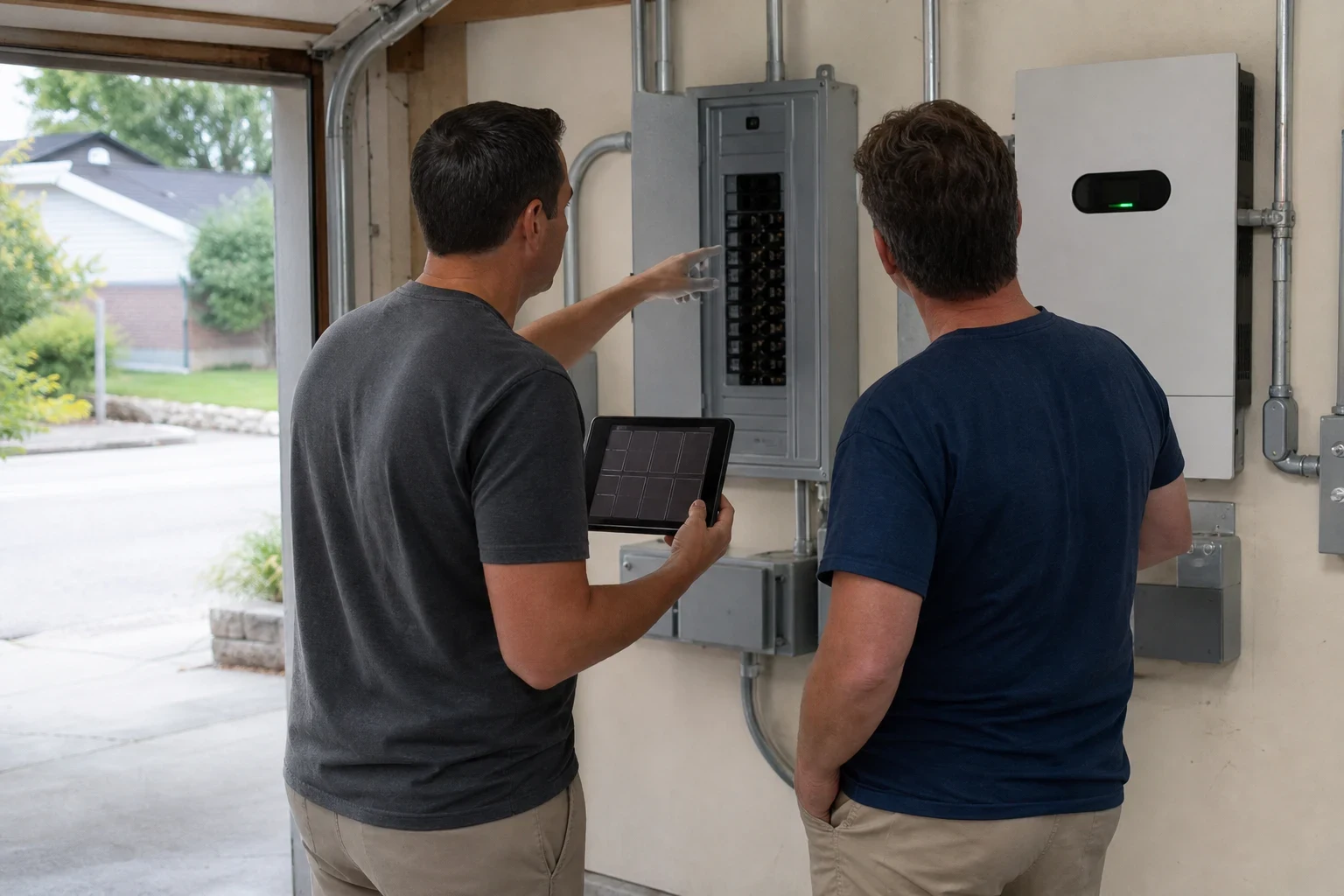
How We Work Around Your Home
Solar involves high-voltage DC wiring, heavy equipment and a connection to your home's electrical panel. We treat each of those with the care they deserve, and we explain what we are doing as we go.
- Shutdown and disconnects done right
- Every system includes the rapid shutdown and disconnect equipment the electrical code requires, so firefighters and utility crews can make it safe quickly. Each disconnect is labeled in plain language. We show you where they are and how they work before we leave.
- Wiring you never have to think about
- Exposed conductors are run in conduit, connections are torqued to the manufacturer's spec, and the whole system is properly grounded. It is work you will rarely see once it is finished, which is exactly why we take our time with it.
- A site that stays safe for kids and pets
- Ladders, tools and cut materials are a real hazard in a family yard. We tape off the area below the roof edge, keep materials stacked away from paths and clean up before leaving each day.
- An honest fit, not an oversized system
- We size the array to the electricity your home actually uses. If a battery or add-on does not make sense for you yet, we say so on the call.
- Quotes you can read line by line
- Your quote lists equipment, labor, permits and any electrical upgrades separately. You see what each part costs before you decide anything.
Questions Homeowners Ask Us
Something not covered here? (801) 876-1777
What happens in the free virtual appointment?
We talk through your recent electricity bills, how you use power and what you hope solar will do for you. We give you a rough sense of system size and answer questions about batteries, permits and timing. There is no cost and no obligation.
How does $0 up front work?
We offer $0 up front, so you can go solar without paying a large sum at the start. The terms depend on the option you choose, and we explain them line by line during your free quote so you know exactly what you are agreeing to.
Is my family safe during installation?
Yes, we plan for it. We tape off the area below the roof edge, secure ladders, and keep tools and materials out of walkways. Power is interrupted only briefly while we connect to your panel, and we tell you beforehand.
Will a battery keep my lights on during an outage?
A properly installed battery can power the circuits you choose, such as the refrigerator, lights and furnace fan, while the grid is down. The system isolates itself from the utility lines so no power flows back onto them, which protects line workers. We help you decide which circuits matter most.
How does the referral offer work?
If you send a friend or neighbor our way, you earn $1,000 for every referral that goes solar. Have them mention your name when they call for their free virtual appointment. We can explain the details on the phone.
How do panels handle Utah snow and winter?
Panels are built to carry snow load, and the dark glass helps snow slide off as the sun hits it. Production dips on short winter days and rises again through spring and summer. We design the mounting for local snow and wind requirements.
Do you handle permits and the utility paperwork?
Yes. We file the building permit, schedule the city inspection and prepare the interconnection application for the utility. You will not need to handle any of that paperwork yourself.
How long does a project take?
Installation itself usually takes a few days. Permits, inspection and utility approval add time before the system starts producing, and we give you a realistic timeline once your design is set.
Start With a Conversation
A free virtual appointment is the easiest way to see whether solar makes sense for your home. We will look at your usage, answer your safety questions and explain the next steps.