ServicesSolar Panel Repair
Solar Panel Repair in Cottonwood Heights
If your panels are producing less than they should or the inverter is flagging an error, our first step is a safe, tested shutdown. From there we trace the cause, show you photos of it, and repair it with care so your home is back on steady solar power.
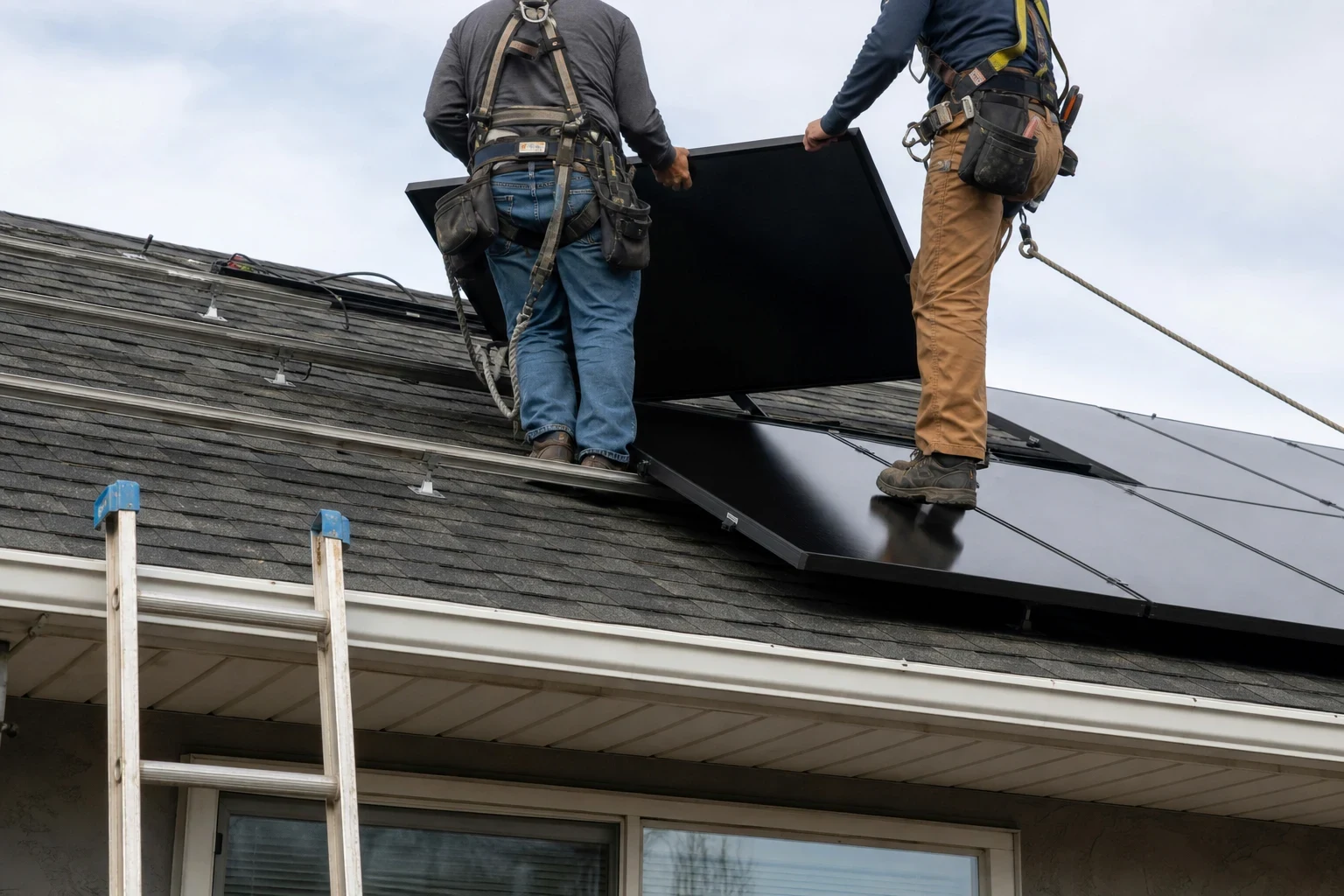
Repairs that start with a safe shutdown
A solar array keeps producing voltage whenever light reaches it, even after a fault. That is why we never open a combiner box or unplug a connector until the system is properly shut down and tested dead. Your family, your pets and our crew stay clear of live DC wiring.
Most problems trace back to a handful of causes: a failed inverter or optimizer, a loose or corroded connector, cable chewed by animals, or a panel cracked by hail or stressed by heavy snow and freeze-thaw cycles. We find which one it is before we recommend anything.
If a part can be fixed, we fix it. If it cannot, we tell you plainly and explain your options, including whether replacing a component makes more sense than repairing it.
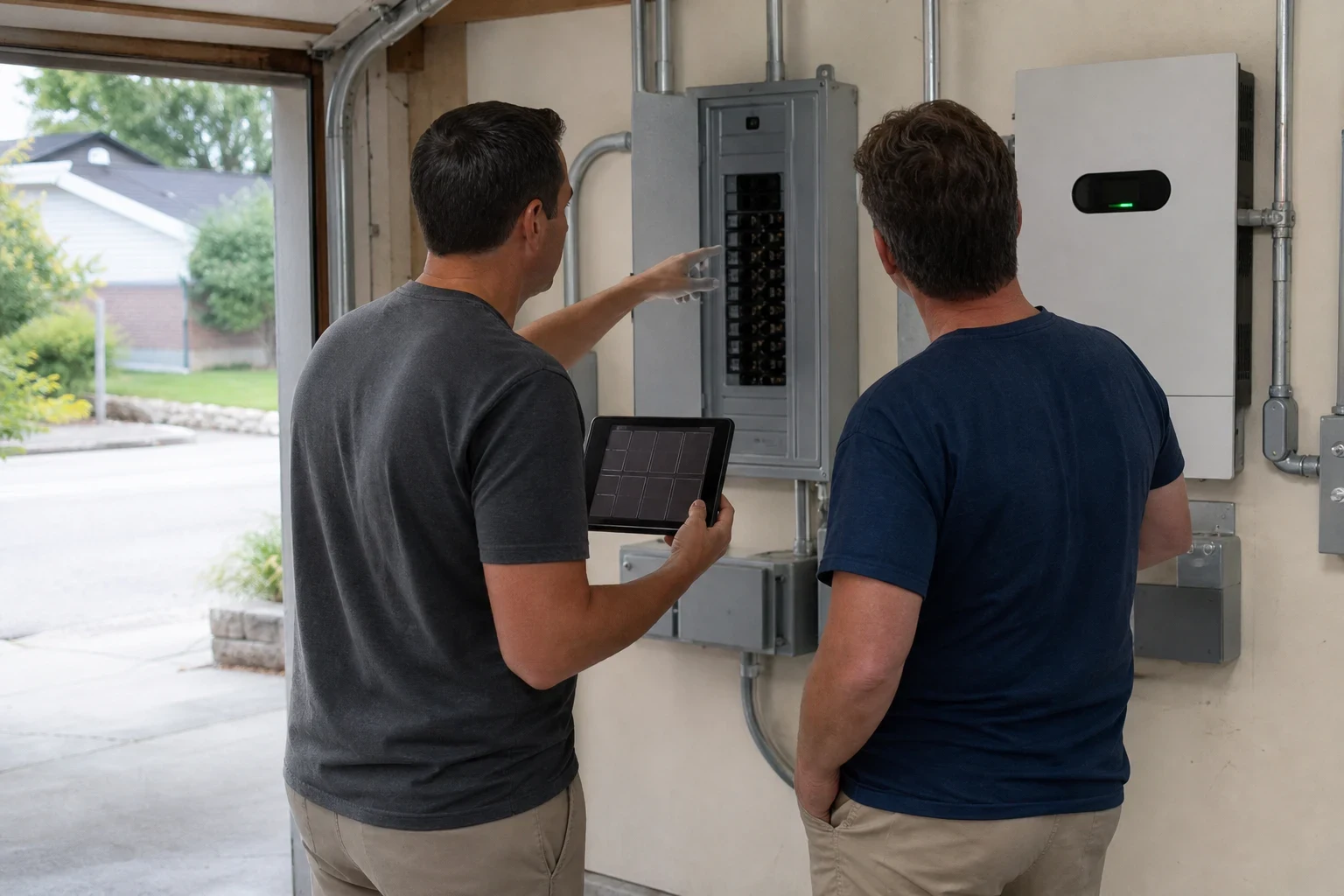
What a repair visit covers
- 01
Controlled shutdown and lockout
We follow the manufacturer's shutdown sequence, confirm zero voltage with a meter, and mark the disconnects so no one switches the system back on while we work.
- 02
Fault diagnosis
We read the inverter and monitoring data, test each string, and check insulation resistance to locate ground faults. Testing points us to the cause instead of guessing.
- 03
Wiring and connector repair
Damaged cable and mismatched or corroded connectors are replaced with compatible parts, then routed and secured so they stay off sharp edges and out of standing water.
- 04
Inverter and optimizer service
We replace failed electronics with matched components and update settings so the new part talks properly to the rest of the system.
- 05
Panel and racking checks
Cracked glass, scorched backsheets and loose clamps are documented with photos. We tighten or replace hardware so panels sit securely through wind and snow.
- 06
Testing before we leave
After the repair we restart the system in the correct order, measure output, and confirm your monitoring reports normally.
Questions about Solar Panel Repair?
Call(801) 876-1777Signs your system needs a look
Production has quietly dropped
Compare this month to the same month last year. A steady gap on clear days usually points to a failed string, optimizer or inverter channel.
Warning colors or error codes
When the inverter display changes color or reports an isolation or ground fault, it has switched itself off for protection. Keep it off and let us test it before anyone turns it back on.
Monitoring has gone silent
Sometimes this is only a communication issue. Sometimes the inverter has stopped entirely, and you are paying for grid power without knowing it.
Visible damage after a storm
Cracked glass, a panel shifted in its clamps or cables hanging loose after hail or a heavy snow load all deserve a careful inspection before the next season.
Burning smell or discoloration
Brown marks on a panel or a scorched odor near a junction box can mean a hot spot or arcing connection. Keep people away from the equipment and get it inspected promptly.
How a repair runs, start to finish
- 1
A free virtual appointment
We talk through what you are seeing and, if you can, look at your monitoring screen and a few photos together. Many issues narrow down a lot in this first conversation.
- 2
On-site inspection
We arrive, explain where we will be working, shut the system down safely and test it. You get photos of what we find.
- 3
A written estimate
You receive a clear, line-by-line estimate covering parts, labor and any permit the work requires. Nothing proceeds until you approve it.
- 4
Repair and restart
We complete the work, tidy every cable run, clear away packaging and old parts, then restart the system and confirm it produces as it should.
What shapes the cost of a repair
Repair pricing depends on what has actually failed, which is why we diagnose first and quote second. A loose connector and a replacement inverter are very different jobs. Your estimate lists each item so you can see where the cost comes from.
- The failed component
- Electronics such as inverters and optimizers cost more than wiring or hardware. We check whether the part is still covered by its maker before you pay for it.
- Matching older equipment
- If your panel model is discontinued, we source a compatible replacement. Finding the right electrical match can take extra time.
- Access to the array
- Panels that are hard to reach, or wiring buried in conduit, take longer to work on safely.
- Permits and inspection
- Some electrical repairs, such as replacing an inverter, may require a permit and inspection. We handle the paperwork and include it in the estimate.
Solar panel repair questions
Is it safe to keep my system running with an error showing?
We recommend leaving it off until it has been checked. Ground faults and arcing connections can worsen over time, and running the system can make them worse. If you are unsure how to shut down, we can walk you through it during your virtual appointment.
Can you work on a system someone else put in?
We can. Who handled the original installation does not change how we test, diagnose and repair the equipment. Any paperwork you can find, like the inverter model or the original permit, helps us reach the cause sooner.
Will a repair affect my manufacturer coverage?
We check what coverage applies to your equipment before we start and tell you if a claim through the manufacturer makes more sense. We use compatible parts and follow installation instructions so the work stands on its own.
Hail cracked some of my panels. Will insurance cover it?
That decision belongs to your insurer and adjuster. What we can do is document the damage with clear photos, give you a written estimate and explain what we found, so your claim has the detail it needs.
How long does a typical repair take?
Many connector and wiring fixes are finished in a single visit. Inverter replacements or discontinued panels can take longer while parts arrive, and we keep the system safely shut down in the meantime.
Get your system checked and running safely
Tell us what your inverter or monitoring is showing, and we will help you understand the likely cause before anyone climbs a ladder. Homeowners across Cottonwood Heights, Holladay and Sandy can start with a conversation.